


Heart Attack vs Gas Pain: Common Questions Answered
Chest pain is a common symptom that many people face – either randomly or on a regular basis. When it is severe enough, it can set alarm bells ringing- as chest pain is normally associated with having a heart attack. But, it is not the case every time you have chest pain – as there are other organs and tissues in the chest cavity- which when affected or injured cause the same set of symptoms. You have the ribs and muscles which can get bruised or are painful when you lift something heavy or do an intense workout, or you may have bloating or indigestion due to a heavy meal and this is what is affecting the stomach. Plus, it is also important to remember that chest pain never occurs in isolation- there are other subtle hints that can point to specific underlying causes. So, let us look at them in greater detail in this blog.
Heart Attack vs. Gas Pain- Differences Explained
Since we now know that the same symptom can be caused by different tissues due to various causes, let us look at other aspects that can help you decide if you will require emergency help or if you can rest and take it easy at home.
The nature and intensity of pain
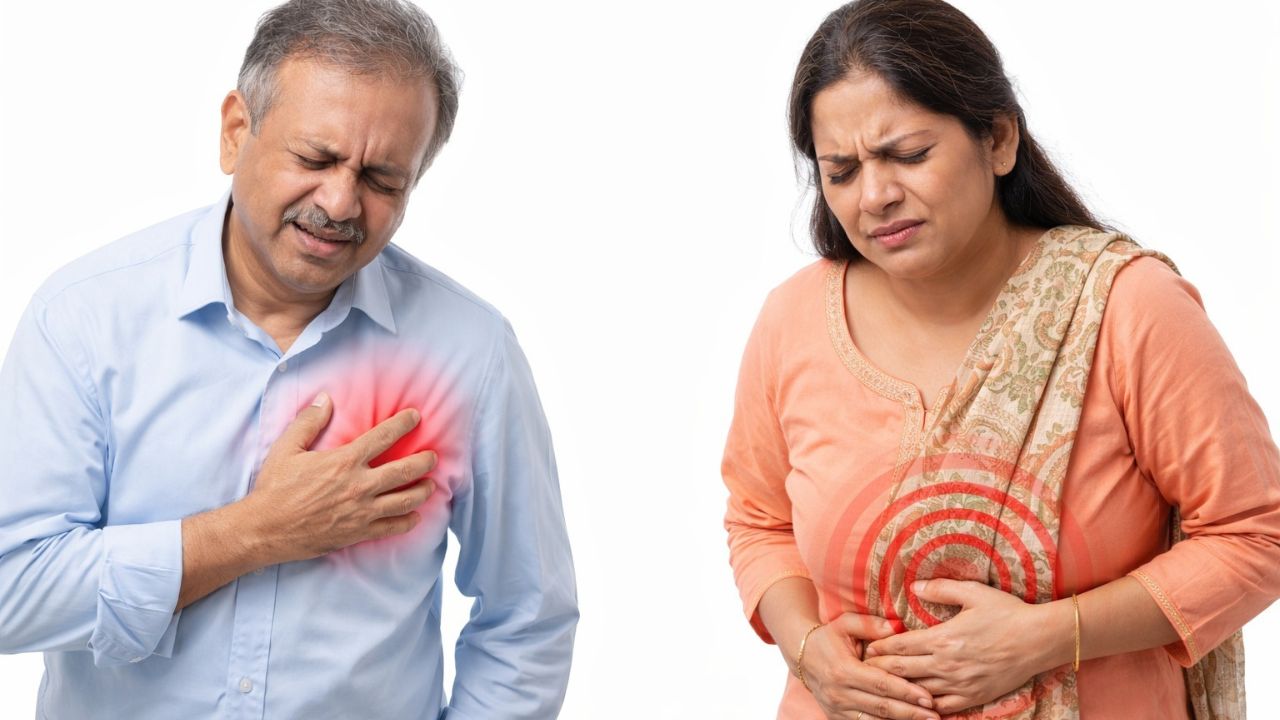
A heart attack can feel like there is intense squeezing or pressure in the chest region and it can be felt in other parts of the body too- as it tends to radiate to the upper back, neck, jaw, arm. At times, it can also feel like indigestion, but this symptom does not occur alone- which makes it easier to pinpoint the exact cause. This is also when chest pain is serious and you will need to talk to a doctor immediately.
Gas pain can feel a lot like a cramp and be sharp in sensation. It can get better if you poop, pass gas or burp. It is mostly highly localised and does not have the tendency to radiate.
Associated Symptoms To Know
With a heart attack, some people may find it very hard to breathe and may vomit or feel extremely nauseous. Some people may also sweat a lot or have a bout of palpitations- where the heart is beating too fast or it feels irregular. Women may feel pain in the upper back, jaw or neck and may faint but may not report chest pain as the major symptom. This is why it is important to be extra vigilant in such instances. These symptoms will not change even if you change position or stretch and are some heart attack warning signs to know about.
Gas pain can come along with a feeling of extreme fullness -because of indigestion which manifests as chest pain after eating and heart burn. There are no other symptoms like sweating, dizziness or heart rate changes and you will mostly feel a lot better if you move around, stretch and pass gas.
Duration of Symptoms
Heart attack related symptoms can last for a few days or weeks, but can be subtle and easy to dismiss. It can be very intense for about 10 minutes at a time. Gas pain does not feel so relentless and you will feel a lot better if you change positions or pass gas.
Conclusion
Now that you know the main differences between how a heart attack vs. gas pain can feel, you can stay vigilant and be on the lookout for symptoms. Everything in our body is interconnected, which means symptoms never come in isolation- so pay attention to what else is happening, when you have chest pain and then decide on a later course of action. When you have severe chest pain and are covered in a cold sweat, are feeling nauseous or feel extreme pressure, get emergency medical help immediately and do not wait under any circumstances.
FAQs
1. How can I tell the difference between gas pain and a heart attack?
Gas pain often changes with movement, burping, or passing stool, while heart attack pain persists and does not improve with position changes. Heart-related pain may spread beyond the chest and be accompanied by other physical symptoms.
2. Where is gas pain usually felt?
Gas pain is usually felt in the upper abdomen or lower chest and may move around. It can cause sharp, cramping, or bloated sensations and may radiate to the back or shoulders.
3. What does heart attack chest pain feel like?
Heart attack pain feels like pressure, squeezing, heaviness, or tightness in the center or left side of the chest. It may spread to the arm, neck, jaw, back, or stomach and last for several minutes or longer.
4. Can gas pain mimic heart attack symptoms?
Yes. Gas pain can cause chest discomfort, pressure, and pain that resembles heart-related symptoms. This overlap makes self-diagnosis unreliable without medical evaluation.
5. When should chest pain be treated as an emergency?
Chest pain should be treated as an emergency if it is severe, persistent, spreading to other areas, or accompanied by shortness of breath, sweating, nausea, dizziness, or fainting. Immediate medical care is critical.