



Vitamin D Deficiency: How It Affects Your Bones, Heart, and Overall Health
Vitamin D is a fat soluble vitamin that is crucial for many bodily functions to occur. Vitamin D deficiency is widespread in the Indian subcontinent, with studies showing almost 80-90% of the population, across all age groups being affected. Chronic vitamin D deficiency can cause long term problems with bone, neural and muscle function, impacting the heart and other tissues too eventually. If you have begun to show symptoms like weakness, joint pain, low mood and immunity issues respectively, then you can get a Vitamin D test in Kompally. Call us today!
What Is Vitamin D Needed For?
Vitamin D is a crucial nutrient that is responsible for a number of processes in the body
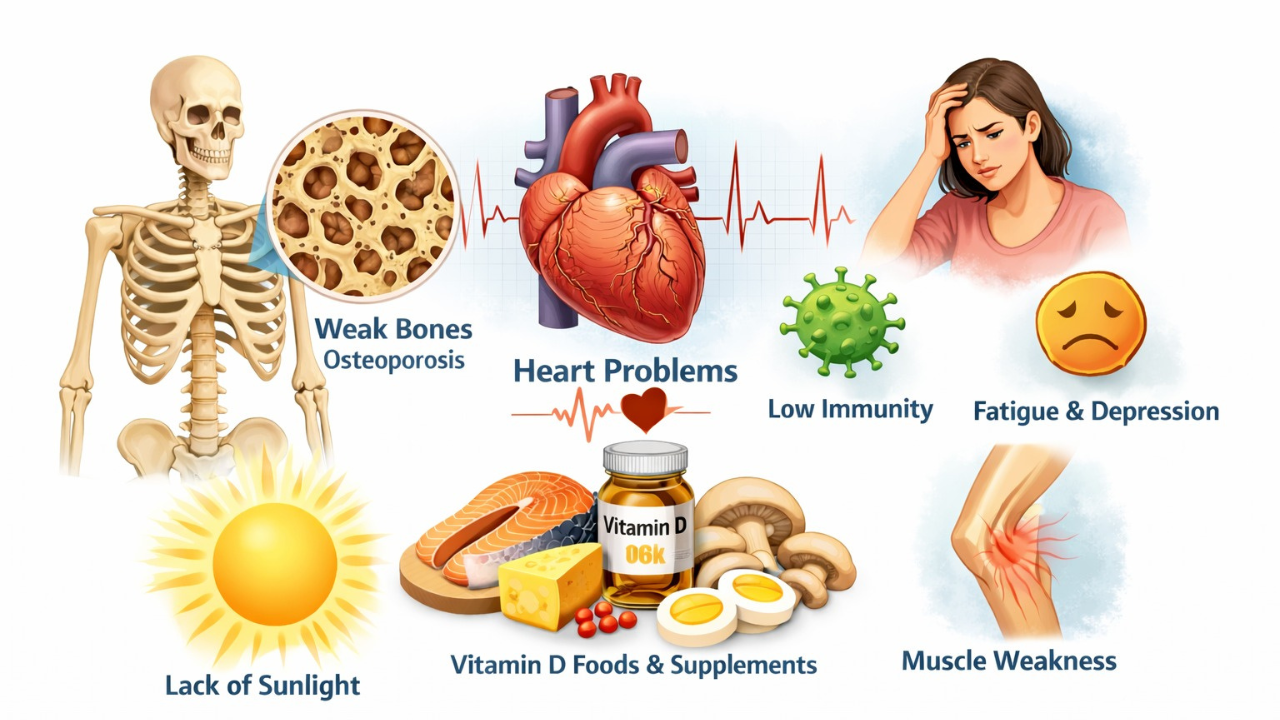
- It helps maintain calcium reserves in the blood and bones. Calcium and phosphorus work better with Vitamin D for bone mineralisation. Severe deficiency can lead to hypocalcemia which can affect bone and muscle health and function. Vitamin D hence helps prevent osteoporosis or osteomalacia.
- Vitamin D is necessary for your immune system to work properly. Poor immunity is a side effect of low Vitamin D levels.
- Muscle strength- Muscles work well when there is enough Vitamin D to help regulate calcium levels in the blood. With better muscle health, older individuals don’t fall as much and can remain relatively injury free.
- Studies have shown that low Vitamin D levels can cause low mood, depression and related issues.
Symptoms of Vitamin D Deficiency
Some of the most prominent symptoms include
- Severe joint pain
- Muscle weakness and bone pain
- Joint deformities
- Chronic fatigue
- Muscle cramps
- Depression
Vitamin D deficiency is observed when there is low exposure to sunlight, by making poor dietary choices or due to poor absorption (because of surgery or some gut related disorder).
Diagnosis of Vitamin D Levels
Vitamin D deficiency can be easily diagnosed with a simple blood test- which checks for the active form of Vitamin D- 25- hydroxyvitamin D or 25(OH)D in serum.
Ranges for Vitamin D levels include- 30-50 ng/ml, with you having severe deficiency if it goes below 10 ng/ml, 30-50 being within range or normal and over 50 as having vitamin D toxicity respectively.
Treatment for Vitamin D Deficiency
Treatment includes making long lasting changes to your diet and adding supplements. Vitamin D is normally found in foods of animal origin, are fortified and in mushrooms. You should talk to a doctor before adding supplements of any kind to your routine.
Conclusion
Vitamin D is very important for many physiological functions to occur smoothly in the body. Adequate amounts are necessary for all age groups- especially young children and older adults, as it can impact growth in tiny ones and make older individuals more prone to falls and broken bones. Supplementation is an easy way to make sure you get enough Vitamin D. If you have symptoms or want to learn more about low vitamin D treatment in Hyderabad, get in touch with specialists at Medone Hospitals in Kompally today!
FAQs
1. What is vitamin D deficiency?
Vitamin D deficiency occurs when the body does not have enough vitamin D to maintain normal calcium absorption and bone health. Low levels can weaken bones, affect muscle function, and interfere with several metabolic processes. Deficiency often develops due to limited sunlight exposure, poor dietary intake, or problems with vitamin D absorption.
2. How does vitamin D deficiency affect bone health?
Vitamin D helps the body absorb calcium and maintain strong bones. Deficiency can lead to reduced bone mineral density, increasing the risk of fractures. In adults, prolonged deficiency can cause osteomalacia, a condition that leads to bone pain and muscle weakness.
3. Can vitamin D deficiency affect heart health?
Low vitamin D levels are linked to cardiovascular health concerns. Deficiency may influence blood pressure regulation, inflammation, and blood vessel function. These effects can contribute to an increased risk of heart disease and related complications.
4. What are the common symptoms of vitamin D deficiency?
Symptoms may include bone pain, muscle weakness, fatigue, frequent illness, and slow wound healing. Some individuals may also experience mood changes or reduced physical strength. Blood testing is required to confirm deficiency and determine vitamin D levels.
5. How is vitamin D deficiency treated?
Treatment involves vitamin D supplementation, increased dietary intake of vitamin D–rich foods, and controlled sunlight exposure. Doctors determine the dosage based on blood test results and individual health needs. Regular monitoring helps ensure vitamin D levels return to a healthy range.