



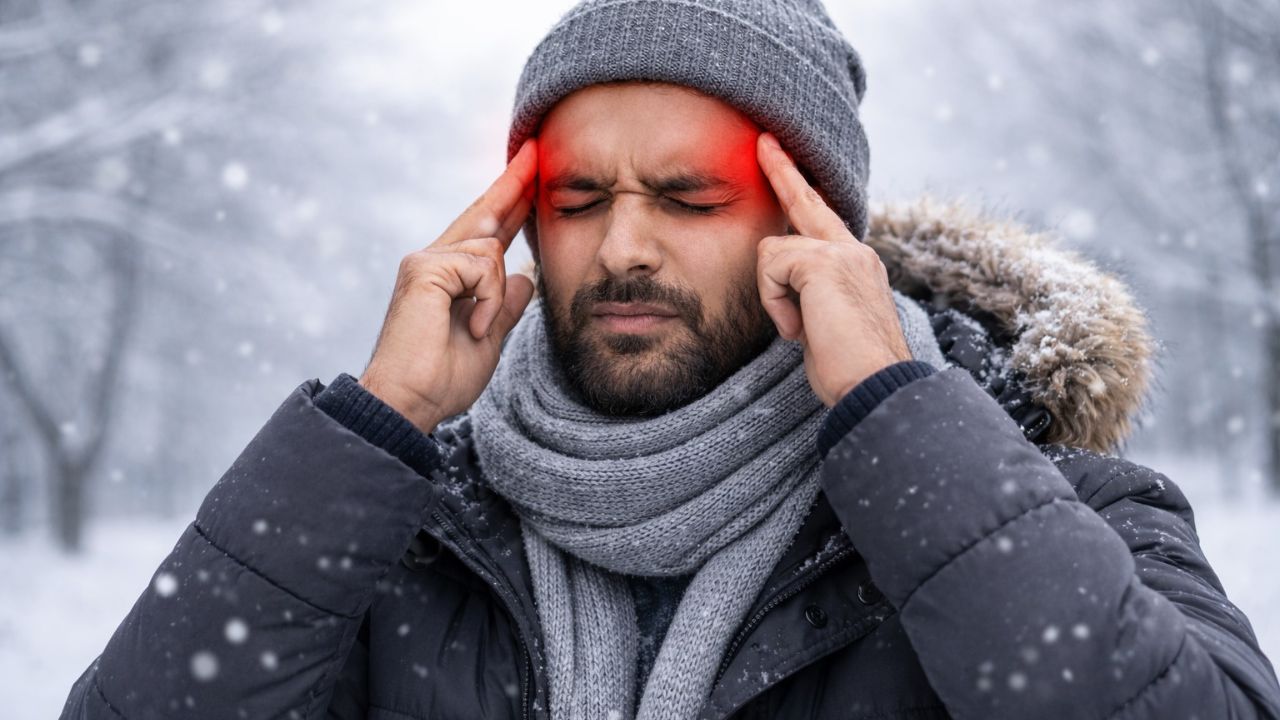
Can Cold Weather Trigger Migraines or Headaches?
Millions of individuals suffer from migraines and these symptoms and intensity are both exacerbated by the cold weather in this season. It is hence a very well known fact that cold weather can trigger severe headaches. Though the exact reason has not been uncovered yet, some people are more sensitive to temperature and pressure changes than others. Studies show that almost a quarter of the Indian population suffers from this condition on an annual basis- which is a lot higher than the global average of about 14%.
Winter Migraine Triggers
Let us look at the possible triggers in greater detail below-
- Drop in temperature- this can cause blood vessels in the extremities and head to constrict- as it is a natural mechanism designed to conserve heat in the torso. This can cause pain and discomfort and also change blood volume in the brain and adjacent areas.
- Pressure changes due to seasonal change- Barometric pressure changes as seasons shift and some individuals are more sensitive to this than others. This is also why they are termed a barometric pressure headache.
- Dry air- Due to low humidity, the nasal passages get dried out and breathing in cold air can trigger the nerves in the sinus pathways. People may also get affected even if they are home as air inside can also be very dry and cause the same issue.
- Lesser sunlight- Since it is cold, people don’t venture out as much and that can cause Vitamin D deficiency too. This can also affect your mood and cause you to stress more than usual.
Pointers Helpful in Preventing Winter Headaches
Some of the easiest ways to make sure you don’t suffer from a random but severe headache have been discussed below-
- Try to dress as warm as possible.
- Using a humidifier at home, so the air is not too dry.
- You should drink plenty of water and avoid consuming too much alcohol or coffee- as these drinks taste great but can dehydrate you quickly.
- Keep an eye out for triggers- like dry and cold air, intense lights and see if you can maintain a trigger diary of sorts- where you mention the various instances when you had migraines. In a few weeks, a pattern will emerge and you can then work to actively prevent exposure to these triggers.
- Make sure to pay special attention to your diet and sleep schedule- as these can influence your stress levels too.
Sinus Headache vs. Tension Headache in Winters
Headaches can be pretty common occurrences in the winter and it can get confusing as to if it is a tension or sinus headache. Sinus headaches are commonly linked to the flu or bacterial infections- as there is severe nasal congestion, thick discoloured mucus and can last fro as long as the infection is present.
Tension headaches can be caused by stiff muscles and can feel like there is some kind of pressure all around and through the scalp.
Conclusion
Headaches can be hard to deal with and can affect you at any time- especially if there is a drastic drop in temperature and humidity or if you are exposed to similar triggers. If you have symptoms lasting for weeks or months and they don’t seem to get better even with simple painkillers, or if they seem to get worse over the next few days and leave you in agony- then it is time to consult a headache specialist in Hyderabad. Older adults should be more cautious as very cold air can cause blood pressure to drop and leave them feeling faint or dizzy.
So, use that coat, shawl, scarf or earmuff and don’t worry about how you may look all bundled up. If you notice other symptoms like vomiting or confusion with severe headaches, it is time to get emergency medical help. Though people with a history of suffering from migraines are at a higher risk of suffering from winter headaches, other people can also get affected. So, be vigilant about symptoms and get help at the right time, so you can learn how to manage this chronic condition in the most effective manner possible.
FAQs
1. Can cold weather trigger migraines or headaches?
Yes. Cold weather can trigger migraines and headaches by causing blood vessels in the head to constrict, which alters blood flow and activates pain pathways in people prone to headaches.
2. Why do headaches worsen during winter?
Headaches worsen during winter due to cold air exposure, reduced sunlight, indoor heating, dehydration, poor air circulation, and increased muscle tension in the neck and shoulders from cold-induced stiffness.
3. How does cold air affect migraine sufferers?
Cold air stimulates facial and scalp nerves, increases sinus pressure, and causes rapid vascular changes in the brain. These effects can provoke migraine attacks in people with a migraine history.
4. Can sudden temperature changes cause headaches?
Sudden shifts from warm indoor environments to cold outdoor air can trigger headaches by forcing rapid blood vessel constriction and nerve sensitivity, leading to head pain and pressure sensations.
5. Are sinus headaches more common in cold weather?
Yes. Cold weather increases the risk of sinus congestion and inflammation due to dry air and respiratory infections, which raises pressure in the sinus cavities and leads to sinus-related headaches.