


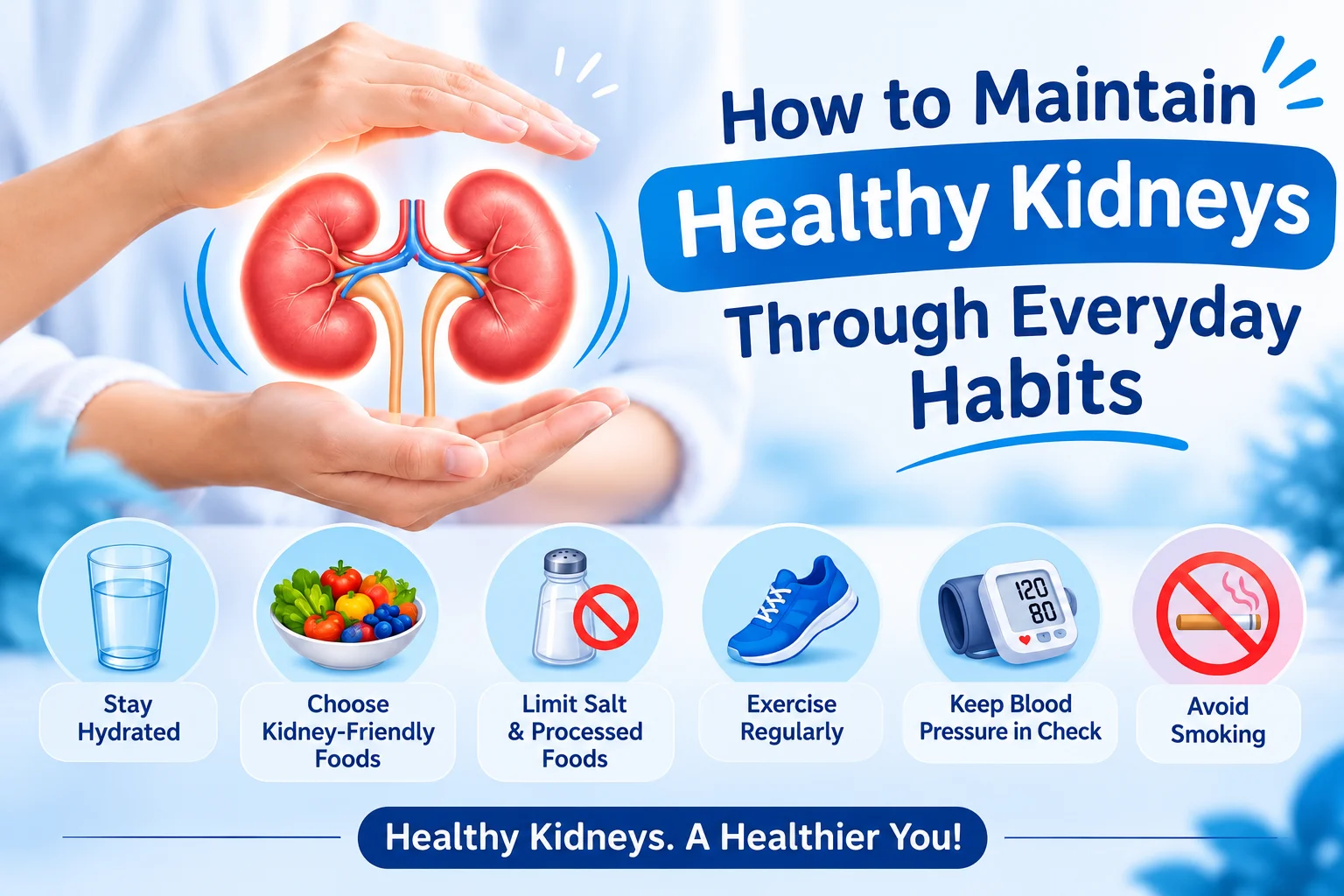
How to Maintain Healthy Kidneys Through Everyday Habits
The kidneys are one of the most important organs in the body- tasked with filtering blood every minute of every day, several hundreds of times, without a pause or rest. While they tend to work quietly on their own and do not complain much, it makes sense to learn how to take care of them in the long term by making subtle shifts to your daily routine. Why? Good kidney function is a great indicator of peak health and symptoms of an affected kidney only show up when advanced kidney disease has set in.
Talking to the Best Nephrologist in Kompally at Medone Hospitals is hence a no-brainer, if you want to continue staying healthy.
Good Habits That Help Your Kidneys Thrive-
These are some rather simple, but really practical ways to ensure your kidneys work well and your overall health is protected.
| Healthy Habit | Why It Is Good for Kidney Health |
| Drink plenty of water (2.5-3 liters per day) | Get rid of waste and make sure you are not dehydrated. |
| Reduce sodium – meaning don’t eat salty foods. | Blood pressure is regulated and kidney damage does not worsen. |
| Eat a nutritious diet. | You need the right amounts of sugars, proteins, water, fats and micronutrients for your body to work well. |
| Exercise moderately, about 5 times a week. | Improves blood flow, weight management and keeps the heart and kidneys healthy. |
| Monitor blood sugar | Uncontrolled diabetes can wreak havoc on the kidneys. |
| Monitor blood pressure | Reduces the risk of damage to the kidney’s blood vessels. |
| Avoid unnecessary painkillers | Do not take more pain medication than absolutely necessary. |
| Avoid smoking | Helps protect blood vessels and maintain healthy blood flow to the kidneys. |
| Get regular kidney function tests | Early signs of kidney disease do NOT show symptoms other than these abnormal values in your test results. |
When Should You Talk To A Kidney Health Specialist in Kompally?
Now that you know how kidney health can be improved or retained, let us look at the symptoms that point to kidney issues, below-
- If you notice swelling in the extremities- face, hands, feet due to fluid accumulation.
- If urine looks more foamy, darker in color or there is blood (hematuria)
- Odd smelling urine- due to an infection or some other issue that has not been diagnosed.
- If you are hypertensive and blood pressure is not under control.
- If you have extreme fatigue, muscle cramps at night, itching or notice a metallic taste in your mouth, then it may mean you have anemia or uremia.
- If you have severe, sharp pain due to kidney stones.
- If you are diabetic, hypertensive or have a family history of kidney disease.
- If you notice flank pain due to kidney stones or infections.
If you are diabetic or hypertensive, then getting check ups more than once a year becomes important, to catch problems at the early stages.
Even if you have no issues, then tests that come back with worrying results like low eGFR (estimated glomerular filtration rate), high protein and sugar levels in urine but low in blood, high creatinine, high BUN or electrolyte imbalance can mean that it is time to call the Best Nephrology Hospital in Kompally, right away.
Conclusion– Kidney health is important for you as electrolyte balance, blood and vascular system health and removal of excessive electrolytes, water and toxins- all happens when kidneys work well. When your kidneys get affected, it can slowly impact other organ systems eventually. Please consider calling us at Medone Hospitals, Kompally if you notice unusual signs or have chronic conditions that can mess with how your kidneys work in the long run.
Schedule an appointment today to learn more !
FAQs
Drink adequate water, eat a balanced diet, limit salt intake, exercise regularly, maintain a healthy weight, and avoid smoking. Monitor blood pressure and blood sugar levels, as uncontrolled hypertension and diabetes can damage the kidneys. These habits support kidney function and reduce the risk of chronic kidney disease.
Daily water requirements depend on age, activity level, climate, and overall health. Drinking enough water helps the kidneys remove waste and maintain fluid balance. People with kidney disease, heart failure, or fluid restrictions should follow their doctor’s recommended fluid intake rather than increasing water consumption independently.
Excessive salt intake increases blood pressure, placing additional strain on the kidneys. Over time, uncontrolled blood pressure can damage the kidney’s blood vessels and reduce their filtering capacity. Limit processed foods, packaged snacks, pickles, and high-sodium condiments to support kidney health.
Consult a nephrologist if you experience persistent swelling in the legs or face, changes in urination, blood in the urine, unexplained fatigue, or consistently elevated blood pressure. People with diabetes, hypertension, or a family history of kidney disease should undergo regular kidney function assessments. Consult a Nephrologist Kompally at Medone Hospitals, Kompally, for evaluation and kidney care.
Blood pressure monitoring, serum creatinine tests, estimated glomerular filtration rate (eGFR), and urine albumin-to-creatinine ratio (UACR) help assess kidney health. These tests identify changes in kidney function and detect early signs of kidney damage. People with diabetes, hypertension, or a family history of kidney disease should discuss regular screening with a Kidney Health Specialist in Kompally.