

PCOS vs Endometriosis: Key Differences Every Woman Should Know
The terms PCOS and endometriosis have been doing the rounds in many conversations this last decade- as women’s health has become a major topic of focus for researchers and the medical community alike. That is because both these conditions can be chronic and wreak major havoc in the life of a woman- though symptoms may overlap in some instances. You will need specialised help from the best women’s health clinic for PCOS & endometriosis in Bowenpally, Hyderabad, if you show any symptoms like excessive or absent bleeding, severe pelvic pain, extra hair growth, acne, etc.
PCOS vs. Endometriosis- Which is it?
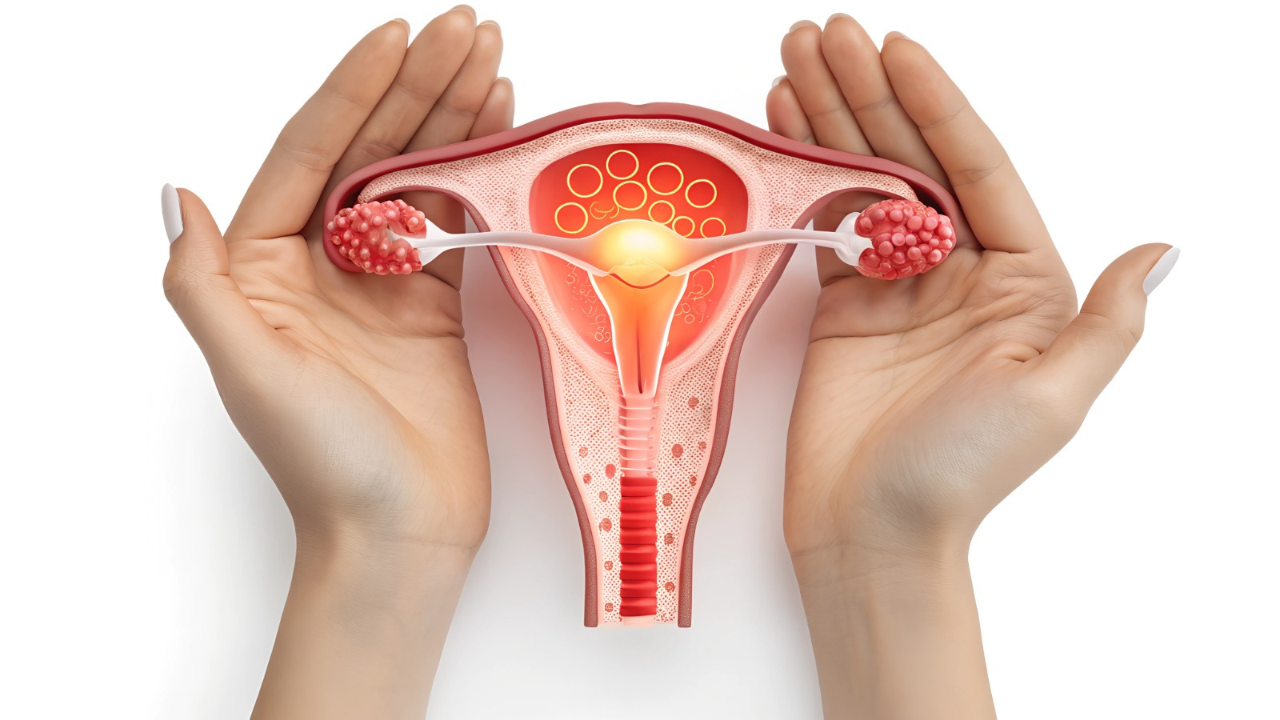
The ovaries and the uterus are the main players for both these conditions, but that’s where similarities end. Let us understand each of these conditions in greater detail below-
PCOS
- Polycystic Ovarian Syndrome is a condition where tiny sacs or cysts form in the ovaries- since eggs are not getting released every month on time. This is because PCOS can cause widespread hormonal imbalance- impacting your menstrual cycle.
- Higher levels of androgens and lower levels of estrogen and progesterone can lead to delayed or absent periods, heavy or almost no bleeding, severe pain and other issues.
- PCOS can also influence metabolism negatively- by affecting insulin activity and causing resistance. This can lead to weight gain and other related problems in the long run.
If you have not had a period in a couple months or they have become highly irregular, heavy or too scanty bleeding and you notice increased hair growth, call a PCOS specialist in Kompally Hyderabad at Medone Hospitals, right away.
Endometriosis
- The endometrium is the inner lining of the uterus that is rich in blood and gets thick every month- and it is this layer that is shed every month when you have your period. But, when this endometrial tissue begins to grow in places out of the uterus like in the ovaries, the pelvis and abdomen or any other area generally, it can become problematic.
- This tissue is also shed every month, but has no way to get out of the body. That is why you have severe pain every month during your period.
- As a consequence- you may have a harder time getting pregnant too, as there is increased levels of inflammation and scarring – which can damage the uterus over a long time.
- You may notice severe pain when having sex or after sex.
- You may also have pain when you pee or poop.
- Severe lower back pain is also present in many instances.
If you have severe pelvic pain every month, very heavy bleeding and are not able to get pregnant, even with unprotected sex, you should talk to the best endometriosis specialist in Jeedimetla and Balanagar, if you live in Hyderabad.
Impact on Fertility
Both PCOS and endometriosis can negatively impact fertility- one condition affects ovulation, while the other affects implantation. It is however entirely possible for a woman to have both conditions at the same time, since they are unrelated. You will need specialised medical help from the best fertility specialists in the city, so you can get better.
Conclusion
The important thing to remember is to NOT lose hope, as both these conditions are highly treatable. Making lifestyle changes, staying at a healthy weight, eating nutritious food and getting enough exercise can help in the long term. Hormonal control medications can help in both instances, so you should talk to your doctor about your treatment options. If you have been looking for a PCOS doctor in Bolarum and Suchitra, or the best Endometriosis treatment near Medchal online, please walk in to Medone Hospitals today!
FAQs
PCOS is a hormonal condition that affects ovulation and can lead to irregular periods and cysts in the ovaries. Endometriosis occurs when tissue similar to the uterine lining grows outside the uterus, causing inflammation and pain. PCOS is linked to hormone imbalance, while endometriosis is linked to misplaced tissue growth.
PCOS symptoms include irregular or missed periods, excess facial or body hair, acne, weight gain, and difficulty conceiving. Some women may also develop insulin resistance, which can affect metabolism and long-term health.
Endometriosis often causes severe pelvic pain, painful periods, pain during intercourse, and heavy menstrual bleeding. Some women also experience fatigue, digestive discomfort, or difficulty getting pregnant.
Yes, although they are different conditions, some women may have both. This can make diagnosis more complex, as symptoms such as irregular periods and fertility challenges may overlap.
When should someone see a doctor?
Medical advice should be sought if there are ongoing menstrual irregularities, severe pelvic pain, or difficulty conceiving. Early diagnosis helps manage symptoms, prevent complications, and improve quality of life through appropriate treatment.