



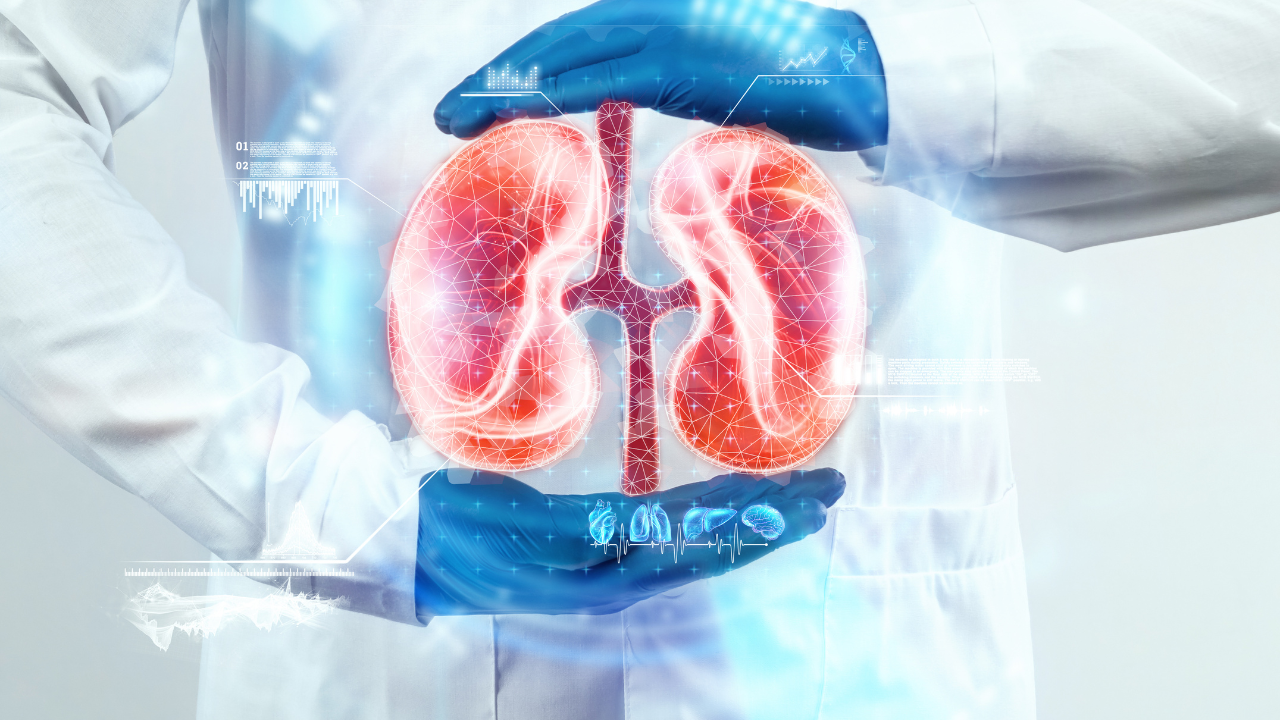
Kidney Stones: Causes, Symptoms & Advanced Treatment Options
Kidney stones are hard mineral deposits which are formed of different kinds of salts. Some people are at higher risk of developing kidney stones when compared to others. Kidney stones can be very painful and affect quality of life severely, if it is not diagnosed and treated by a specialist promptly. They are called renal calculi by doctors. If you have symptoms and need help, get in touch with the best urologist for kidney stones in Hyderabad, only at Medone Hospitals in Kompally.
Causes and Symptoms of Kidney Stones
The main causes for kidney stones to form include- not drinking enough water, eating foods rich in sodium, sugars, protein, take vitamin C supplements regularly, have a family history of stones forming and having some kind of blockage in the urinary tract, making it hard for you to pee and easier for deposits to accumulate, respectively.
The different kinds of kidney stones include- calcium oxalate, calcium phosphate stones which are super common. Some people may get uric acid stones, cystine stones made of cysteine amino acid or struvite stones which can be caused by infections.
The symptoms of having kidney stones are as follows-
Severe and sharp pain in the groin, flank and lower back areas of your abdomen. The pain can come in waves and get worse when the stone is on the move.
- You will have severe nausea and may vomit.
- You may have severe pain when you pee and notice blood in urine (hematuria)
- You may not be able to pee at all.
- You may have the urge to pee often
- You may notice urine being cloudy and smelling bad.
- You may have a fever or get chills.
Many people may not have symptoms at all and may even pass the stones out while urinating. This can happen if the stone is very tiny or if there are multiple minute ones like these. Larger stones are problematic- they can cause a block and leave you writhing in pain.
Diagnosis of Kidney Stones
Kidney stones are normally diagnosed using various approaches like
- Imaging- like X-rays, CT scans or ultrasound scans.
- Standard urinalysis can check for infections and presence of stone forming minerals.
- Blood tests may also be done to check kidney function and to check for high levels of calcium in the serum- which can lead to formation of stones.
Treatment for Kidney Stones
Treatment normally depends on the size of the stone and extent of symptoms you face. If imaging shows small stones, then your doctor may wait for them to pass via urine. Symptoms will be monitored in such instances, very closely.
They may also prescribe medications which are designed to relax the ureter – so you can pee them out comfortably. Other medications can help break stones down into smaller pieces, so it is easier to pass them in urine, but this may work in specific cases only.
Painkillers are normally given to help you stay as pain-free as possible.
If the kidney stones are large or have caused a blockage, then surgical intervention is needed. These are the possible options-
- Shockwave lithotripsy- Shockwaves are used to break the stones into smaller pieces. You can then pass them while peeing. Laser lithotripsy is a subtype where a fibre optic laser is passed up the urethra and helps break the stone into smaller fragments. You can go home the same day and there are no incisions involved.
- Ureteroscopy– A scope or tube with camera is passed through the urethra and bladder into the ureter- and specialised instruments break the stone down so it can get out of the body easily.
- Percutaneous nephrolithotomy- This procedure is more invasive and is suggested when other methods won’t work. An incision is made in your back, through which a tube is inserted into the kidney. Then, an ultrasound probe is used to break the stone using sound waves.
Conclusion
Kidney stones can be painful and need help for them to pass out via urine or for them to be surgically removed. You should consult our doctors about laser kidney stone surgery in Kompally, if you need surgery. When you have symptoms or have had kidney stones before, you should not wait and instead seek treatment from the best kidney stone specialist in Hyderabad, at Medone Hospitals immediately. So, call us for an appointment now!
FAQs
1. What causes kidney stones?
Kidney stones form when minerals and salts in the urine crystallize and stick together. Dehydration, high salt intake, excessive oxalate-rich foods, certain medical conditions, and family history can increase risk. These crystals grow into hard deposits that may remain in the kidney or move into the urinary tract.
2. What are the common symptoms of kidney stones?
Kidney stones often cause severe pain in the lower back or side that may spread to the abdomen or groin. Other symptoms include painful urination, blood in the urine, nausea, vomiting, frequent urination, and cloudy or foul-smelling urine.
3. How are kidney stones diagnosed?
Doctors diagnose kidney stones using imaging tests such as CT scans, ultrasound, or X-rays. Urine tests help identify minerals that promote stone formation, while blood tests evaluate kidney function and mineral levels. These tests help determine the stone’s size, location, and suitable treatment.
4. What advanced treatments are available for kidney stones?
Advanced treatments include extracorporeal shock wave lithotripsy (ESWL), ureteroscopy with laser lithotripsy, and percutaneous nephrolithotomy for large stones. These procedures break or remove stones with minimal incisions and help restore normal urine flow.
5. Can kidney stones be prevented?
Prevention involves drinking adequate water, reducing salt intake, limiting foods high in oxalates, and maintaining a balanced diet. Doctors may also prescribe medications to control mineral levels in urine and reduce the risk of future stone formation.