



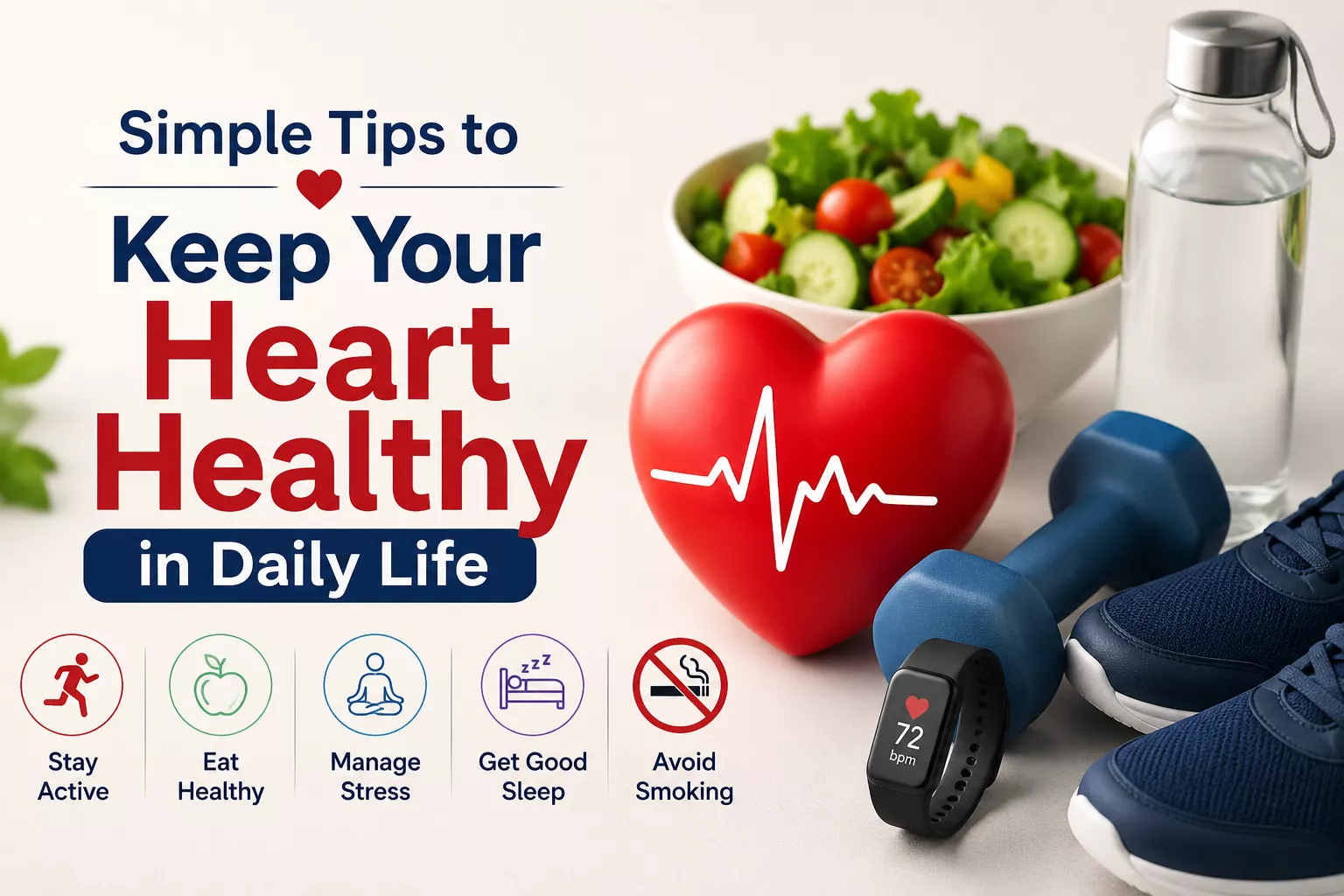
Simple Tips to Keep Your Heart Healthy in Daily Life
The heart is arguably the most important organ in the body- since it works continuously to keep nutrient rich blood flowing to all parts of the body. When the heart loses its ability to beat efficiently and regularly, it can stress out other organ systems extensively. It is hence important for you to start taking care of your heart – and consistency is the key here. If you suffer from heart conditions or other chronic ones that can affect your quality of life, please call us at Medone Hospitals, as we are the best heart hospital in Kompally.
9 Healthy Heart Tips from Heart Hospital In Kompally You Should Know-
Think of all of them as important and the first 4 tips as non-negotiables!
- Eat Healthy– That’s right! There is no huge secret you have been missing- eating nutritious food is important and absolutely necessary for your heart to work well and your body to thrive in the long run. You need enough carbohydrates, proteins and good fats to fuel your body’s energy needs. You also need enough micronutrients and macronutrients for all physiological functions to occur without any issue.
- Exercise is good for you- Yes! Another fact- heart friendly exercise options like swimming, running, jogging, walking briskly and doing it every day for at least 30-45 minutes is the key to better overall health. It is obviously good for the heart too- so move with purpose.
- Go to bed on time, religiously– You need 7-8 hours of uninterrupted sleep for your heart and body to recover. When you don’t sleep enough, hormones that support blood pressure and other body functions don’t work as well as before. This can affect heart health and lead to chronic problems for you.
- Stress management is important- Stress can cause spikes in cortisol- which can affect uptake of triglyceride, cholesterol, blood sugar and influence blood pressure. All fo these factors play a major role in plaque buildup, which can further compromise blood vessel health and stress the heart further.
- Don’t smoke – Smoking can damage blood vessels in more ways than one and this can place undue stress on the heart. So, talk to an experienced cardiologist at heart hospital in Kompally to learn more about ways you can quit smoking and remain smoke free – we at Medone Hospitals can get you in touch with support groups as well.
- Weight management- Try to stay at a healthy weight as much as possible but don’t fixate too much on the scale and opt for fad diets which may help you lose the extra kilos but place extra stress on the heart and other organs, as such foods may be low on calories and in nutrition at the same time. A heart healthy diet is your best friend here – you can lose weight safely but still stay healthy!
- Monitor your blood glucose and blood pressure regularly- Even if you have no history of heart disease, you should monitor blood pressure and glucose levels often- as subtle shifts can be useful in understanding that something is off- and you can opt to get care from us at Medone Hospitals- the best heart hospital in Kompally.
- Try to eat at regular intervals– Don’t skip meals or binge on snacks to compensate. Your blood glucose levels need to be stable for your heart to function properly.
- Reduce or stop alcohol consumption if possible- Alcohol can depress your nervous system and increase blood pressure. Alcoholism places you at high risk of suffering from a stroke, arrhythmias and heart failure. Even if wine is said to be good for your heart, the benefits don’t outweigh the risks here.
Conclusion
Heart health is important and crucial for you to stay healthy for a long time. It is however easy to sit in one spot, make poor dietary choices and not sleep or manage stress- because hustling in life has been glorified. Life should be all about striking a balance- with consistent effort and that is what your heart will reward you for. So, take good care of your heart, starting today!
FAQs
Follow a structured routine that includes 30 minutes of brisk walking, a balanced diet rich in vegetables, fruits, whole grains, and nuts, and consistent sleep of 7–8 hours. Limit salt, sugar, and fried foods. Avoid smoking and keep alcohol intake controlled to reduce strain on the heart and blood vessels.
Daily food choices directly affect cholesterol, blood pressure, and blood sugar levels. Diets high in trans fats, excess salt, and refined sugars increase cardiovascular risk. Meals that include fiber-rich foods, healthy fats, and lean protein help maintain stable lipid levels and support long-term heart function.
Aim for at least 150 minutes of moderate-intensity exercise each week, such as brisk walking, cycling, or swimming. Regular physical activity strengthens the heart muscle, improves circulation, and helps control weight, blood pressure, and cholesterol without requiring high-intensity training or complex routines.
Chronic stress increases heart rate and blood pressure, placing continuous strain on the cardiovascular system. It can also lead to unhealthy coping habits such as overeating or smoking. Managing stress through structured relaxation techniques, physical activity, and consistent sleep supports stable heart function and reduces long-term risk.
Adults should monitor blood pressure, blood sugar, and cholesterol levels at least once a year. Earlier and more frequent checks are needed if there is a family history of heart disease, obesity, diabetes, or symptoms such as chest discomfort, shortness of breath, or fatigue during routine activities.